Introduction to Salt Removal for Small Businesses
As a small business owner in Boutte, Louisiana, you are likely no stranger to the challenges posed by salt and corrosion. The Gulf Coast's humid, saline environment can wreak havoc on your property and equipment, leading to costly repairs and replacements. This comprehensive guide will provide you with the latest salt removal and corrosion prevention strategies for 2026, helping you protect your investments and maintain a pristine business environment.
Understanding the Impact of Salt and Corrosion
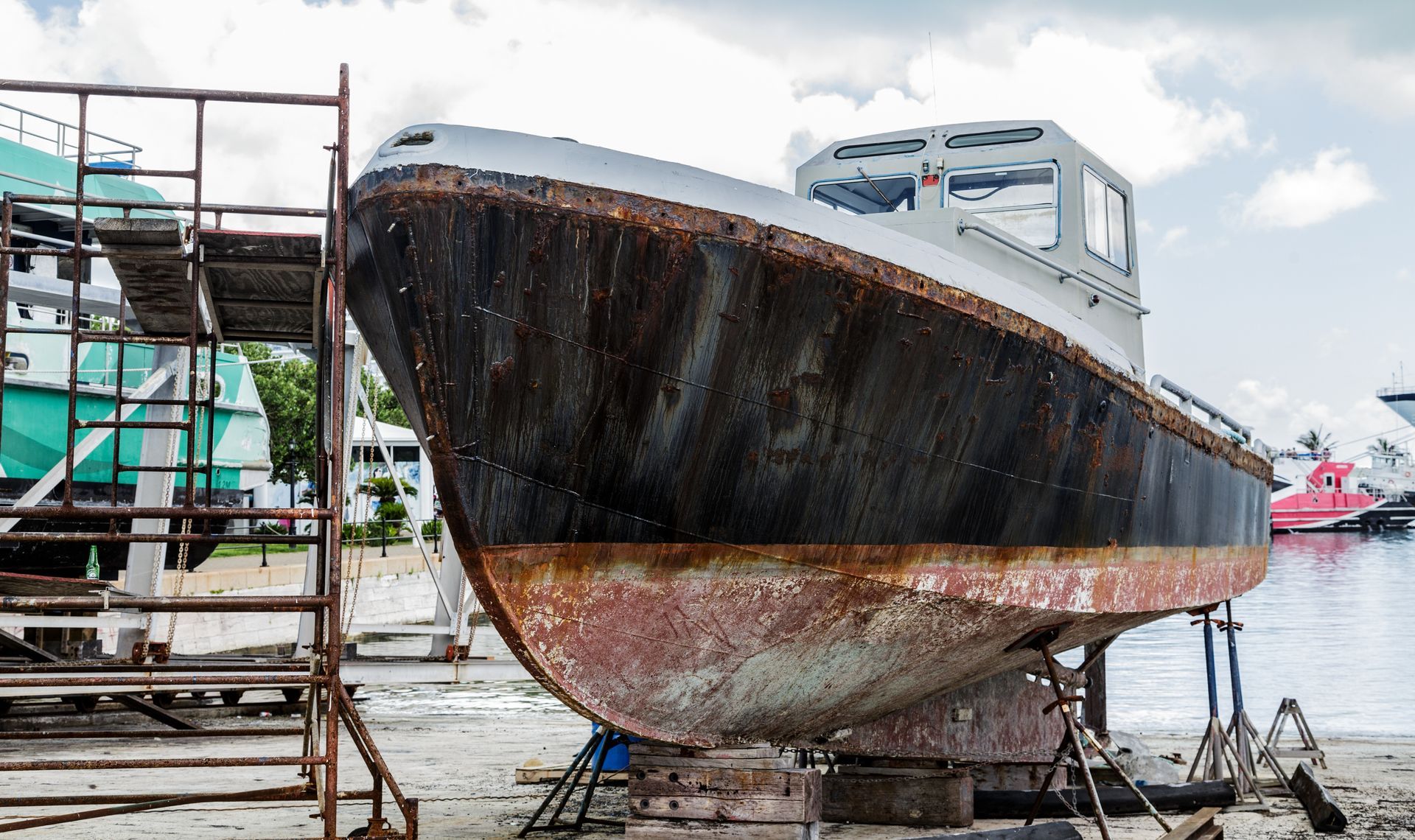
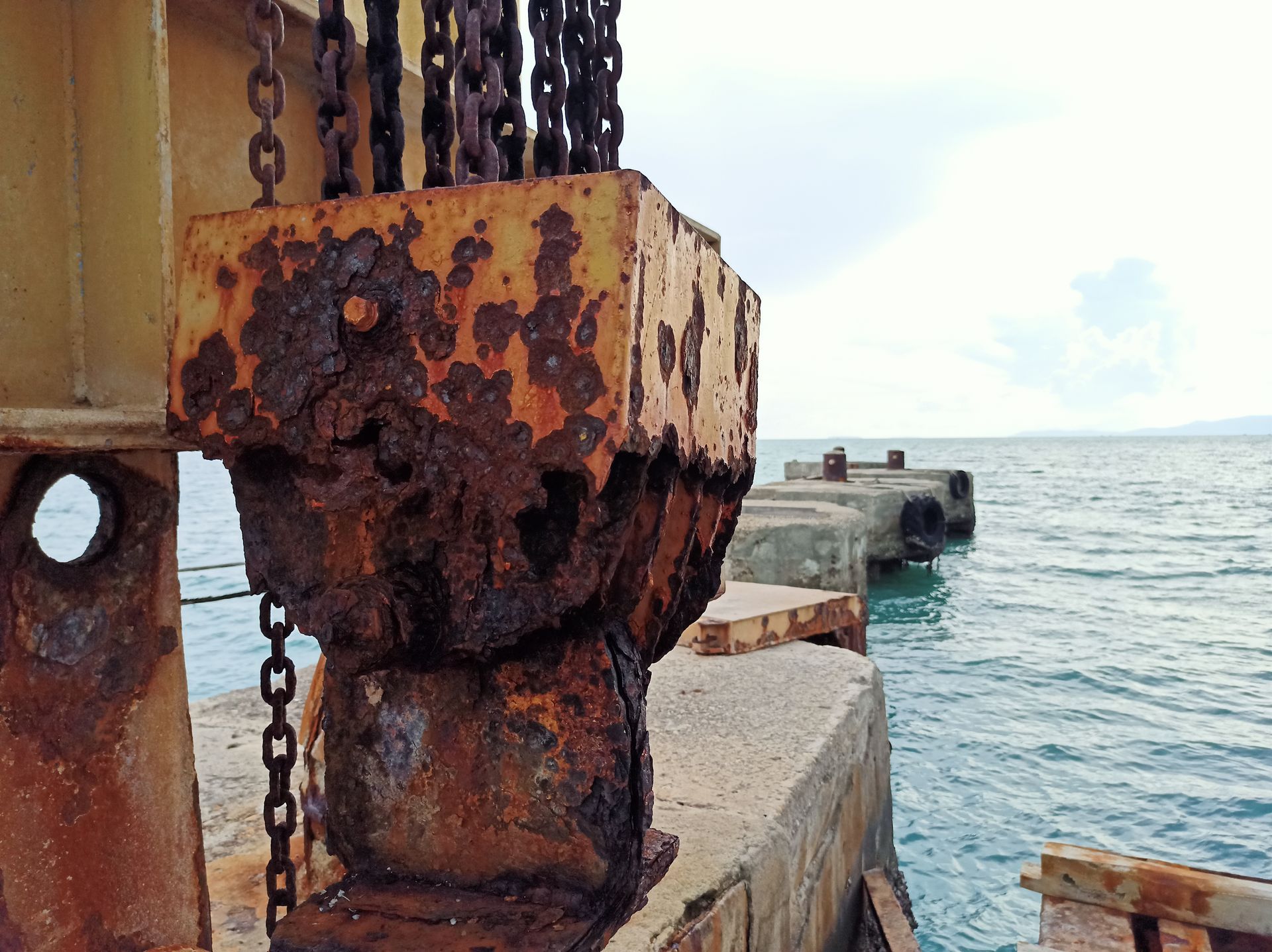
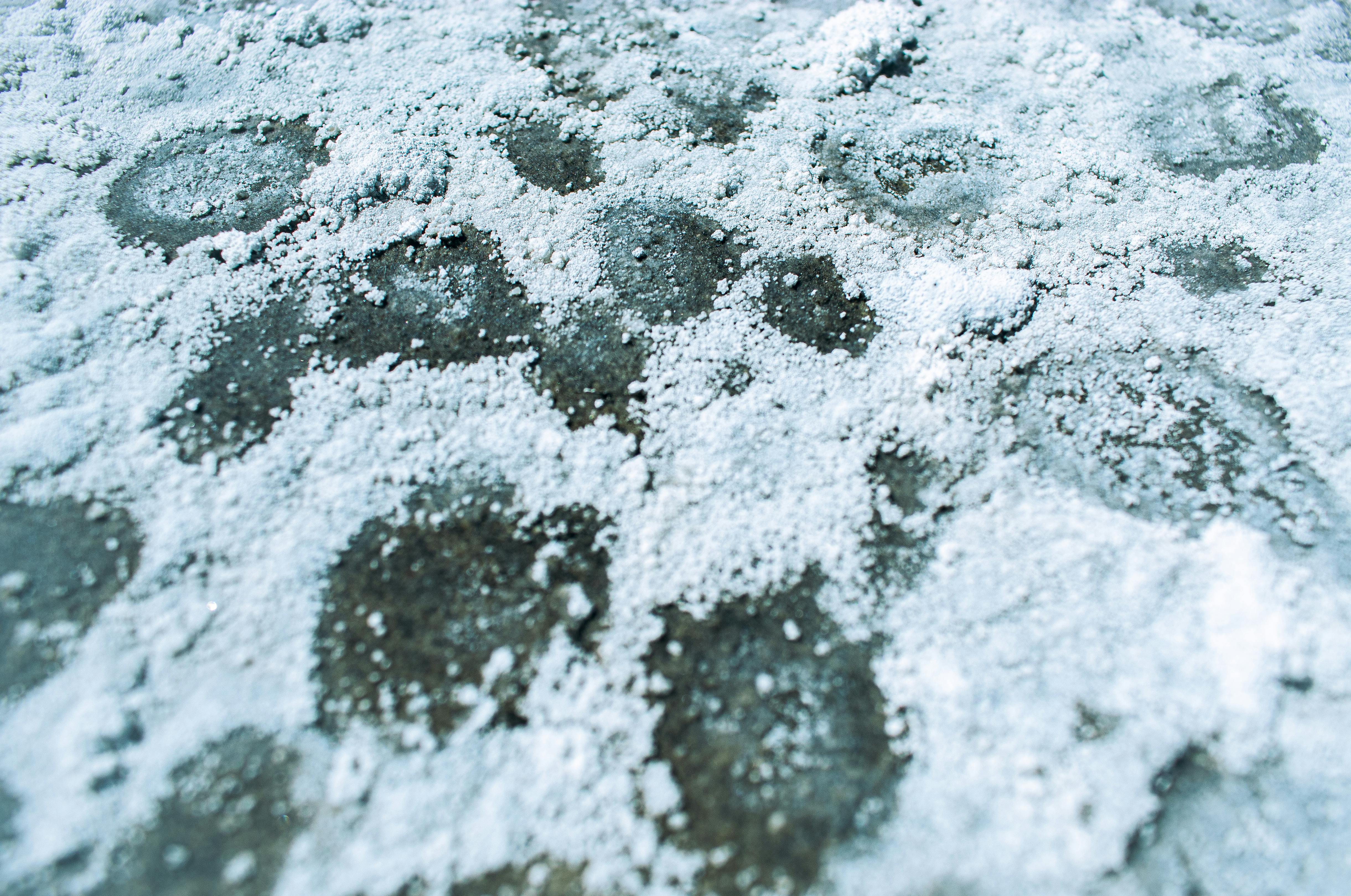
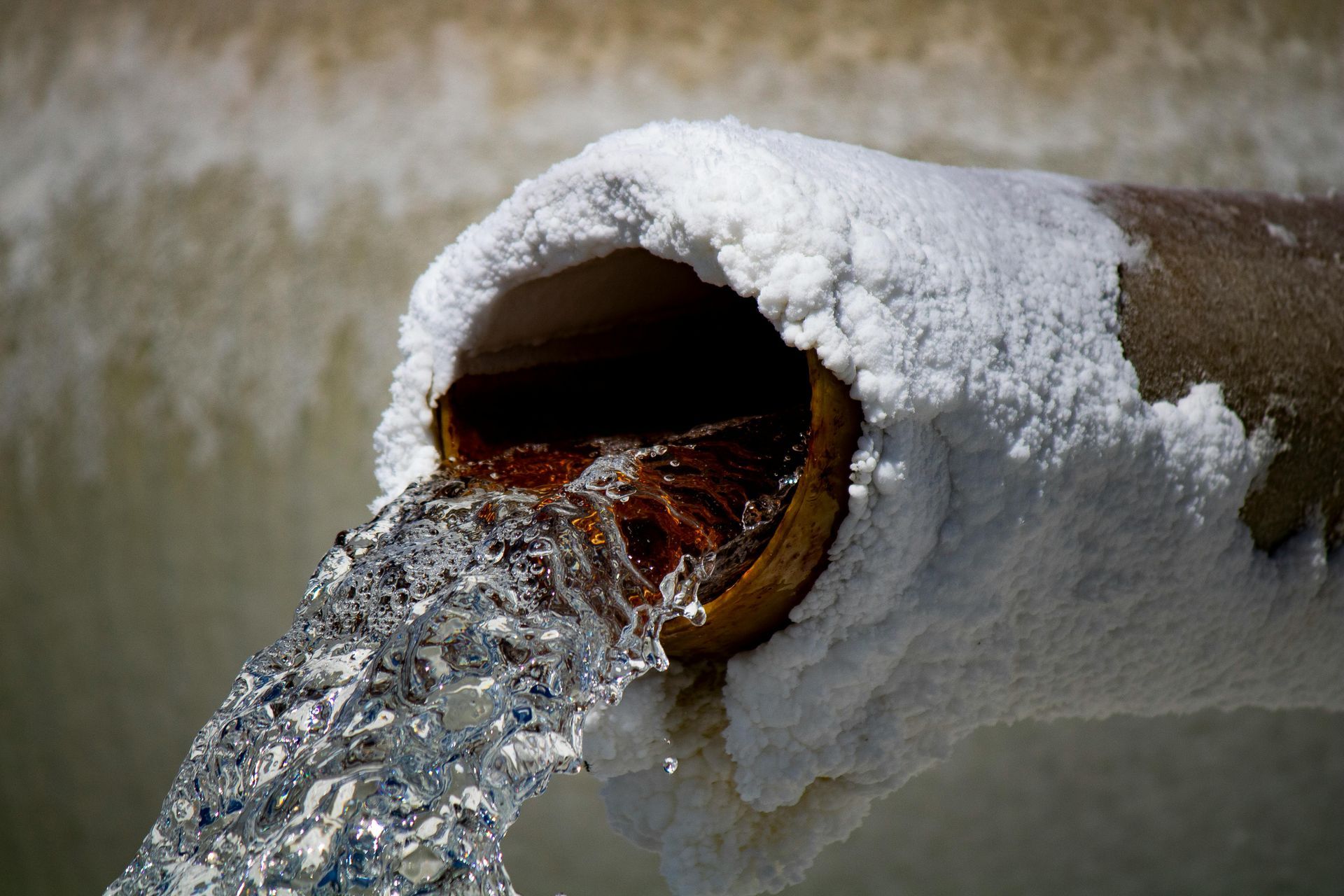
The first step in combating salt damage is understanding its impact. Salt particles, carried by the air and water, can settle on surfaces, leading to corrosion. This process not only affects the aesthetics of your business property but can also compromise the structural integrity of metal fixtures, vehicles, and machinery.
Key Areas Vulnerable to Salt Damage
- Metal Surfaces: From outdoor furniture to signage and railings, metal surfaces are highly susceptible to rust.
- Vehicles and Machinery: Salt can penetrate into the nooks and crannies of vehicles and equipment, accelerating wear and tear.
- Concrete and Masonry: Salt can lead to spalling, where the surface layer flakes off, creating hazardous conditions and unsightly appearances.
Practical Salt Removal Techniques
Implementing effective salt removal techniques is crucial for Boutte business owners. Here are some practical methods:
Regular Cleaning and Maintenance
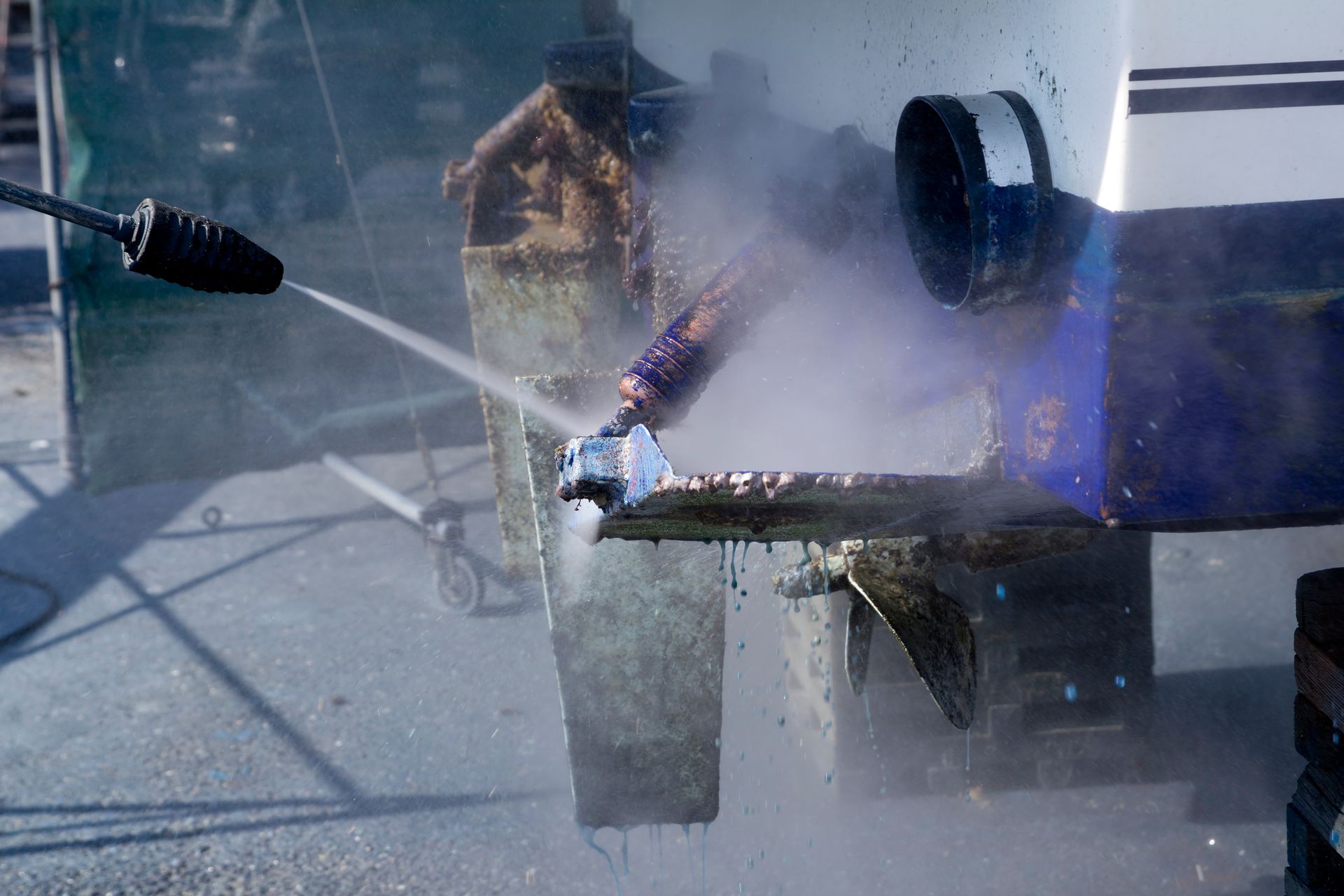
Regularly cleaning salt-affected areas can prevent long-term damage. Use fresh water to rinse surfaces, ensuring salt particles are thoroughly removed. Pressure washing is particularly effective for outdoor spaces.
Protective Coatings and Sealants
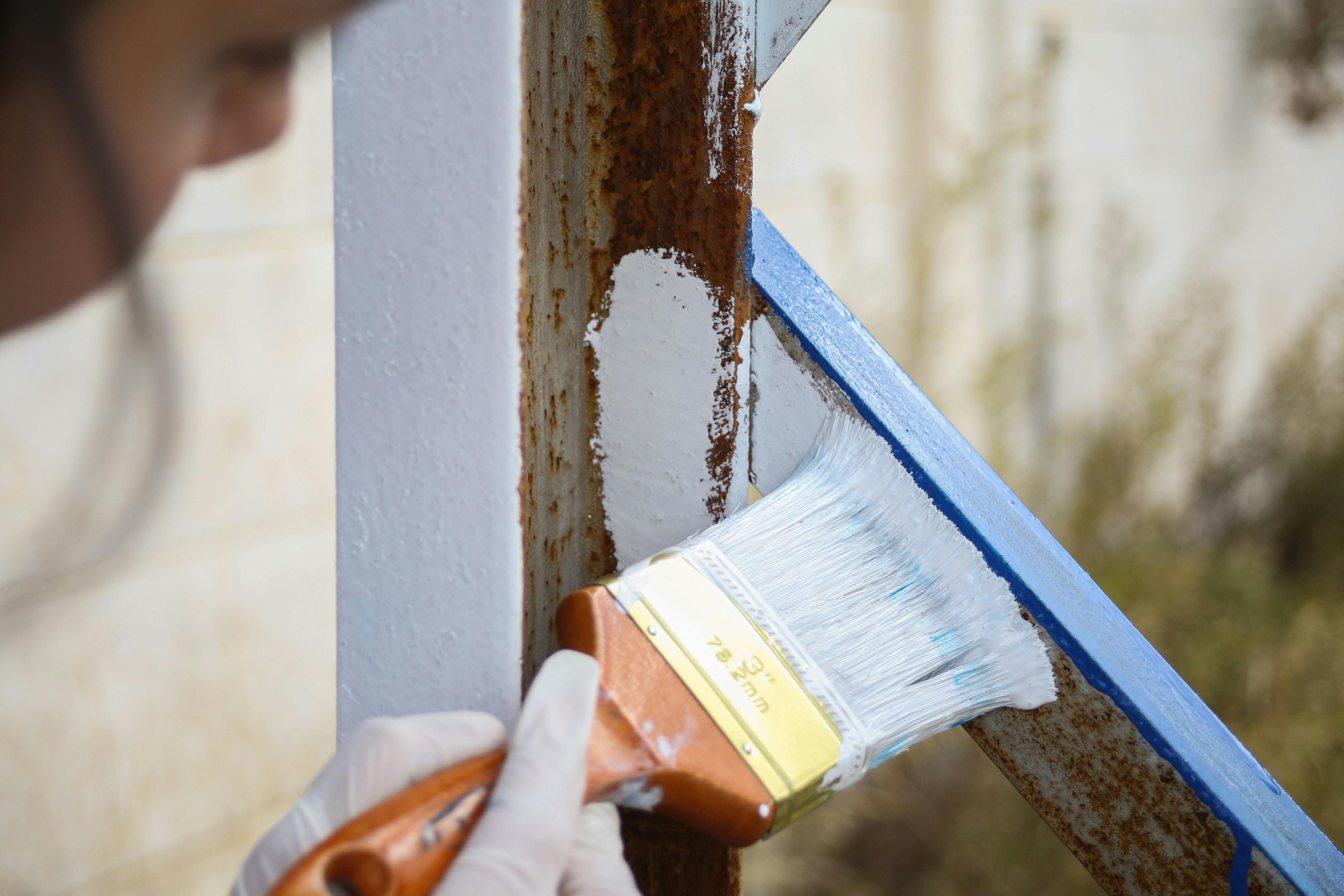
Applying protective coatings to metal surfaces can act as a barrier against salt. Similarly, sealants can protect concrete and masonry, reducing moisture ingress and surface flaking.
Seasonal Checks and Inspections
Conduct seasonal inspections to identify and address salt damage early. Look for signs of rust, spalling, and other forms of corrosion. Addressing these issues promptly can prevent further deterioration.
Corrosion Prevention Strategies
Preventing corrosion is just as important as removing existing salt. Here are some strategies to safeguard your business assets:
Use Corrosion-Resistant Materials
When choosing materials for construction or renovations, opt for corrosion-resistant options such as stainless steel or treated wood. These materials are designed to withstand the corrosive effects of salt.
Implement Cathodic Protection
This technique involves using sacrificial anodes to protect metal surfaces from corrosion. It's a cost-effective method for safeguarding pipelines and other metal structures.
Control Environmental Factors
Reducing humidity levels in indoor spaces can significantly decrease the likelihood of corrosion. Dehumidifiers and proper ventilation can help maintain optimal conditions.
Partnering with Professionals for Long-Term Protection
While DIY methods can be effective, partnering with professionals like Coastal Cleanse LLC ensures comprehensive salt removal and corrosion prevention. Our experts have the tools and expertise to address your business's unique needs, providing tailored solutions that protect your assets for the long term.
Conclusion: Safeguard Your Business Against Salt Damage
As we move forward in 2026, staying proactive about salt removal and corrosion prevention is essential for Boutte business owners. By implementing these strategies, you can protect your investments, maintain a professional appearance, and extend the lifespan of your property and equipment. For more information or to schedule a consultation, contact Coastal Cleanse LLC today.